How to create a shared future vision
In this session you create a clear and shared picture of the future together. You learn to see the underlying drivers of change, recognise patterns and create scenarios that give direction to today's choices.
A shared vision inspires people and organisations to work on solutions for tomorrow's questions. You explore technology, social shifts and global challenges, spot the meta trends and see how innovation cycles, economic waves and social movements interact.
That is how your futures literacy grows: the ability to understand the future and deal with it actively. You look not only at what is probable, but also at what is possible, think through second and third order effects and work back from a picture of the future to the choices of now.
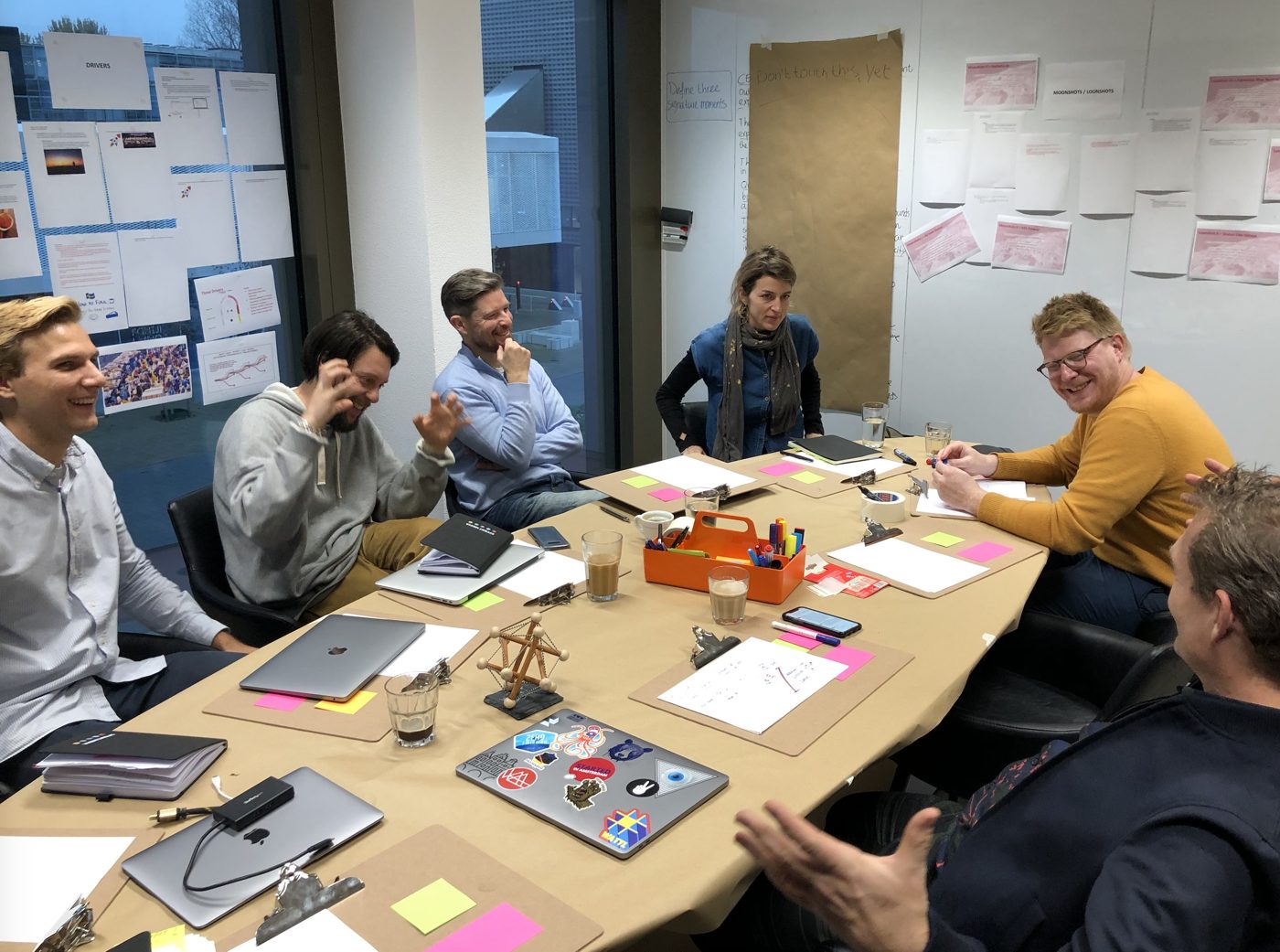
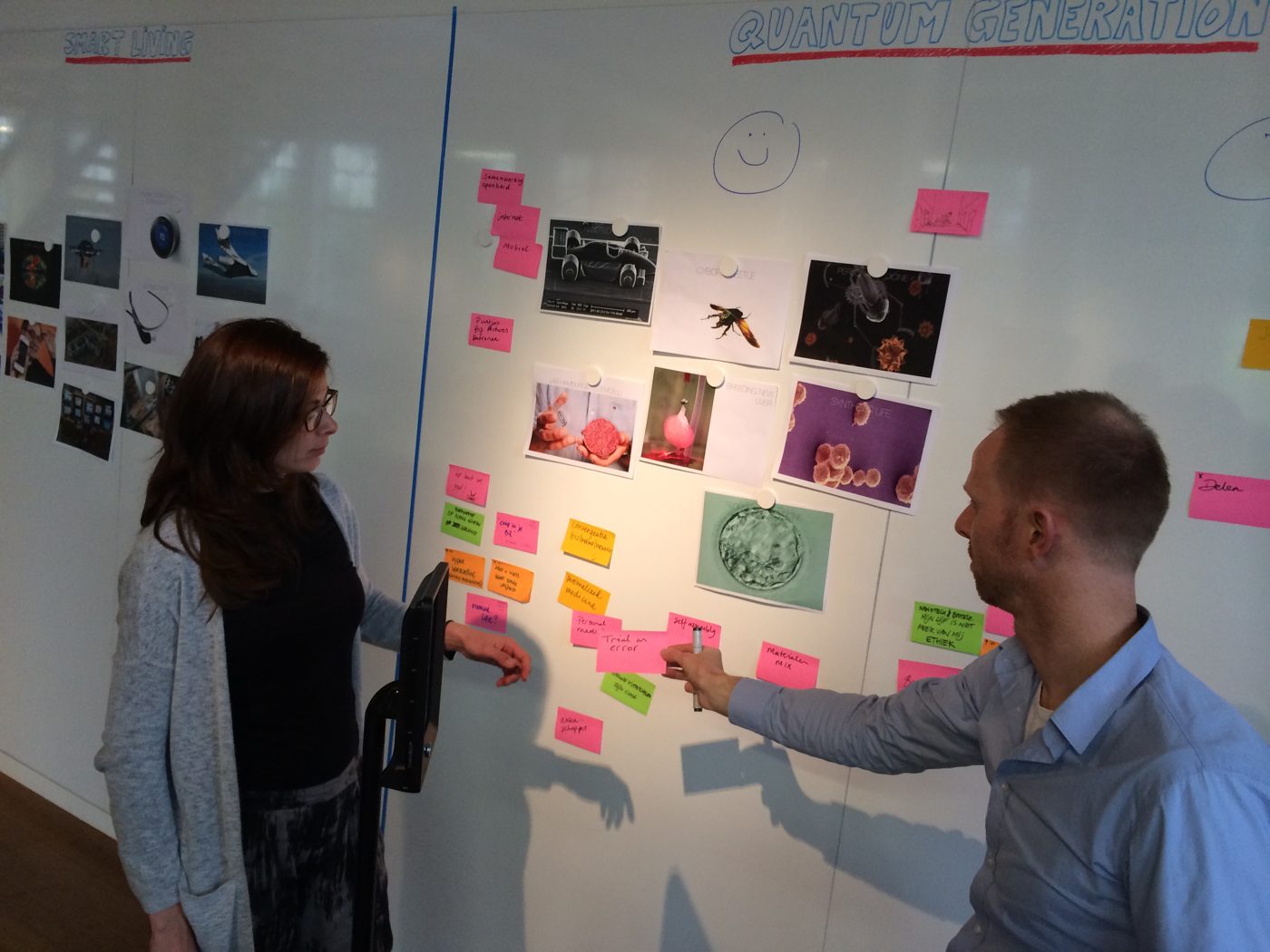
- Mapping the zeitgeistThere is an enormous amount of research into future developments. You learn to recognise the assumptions beneath these pictures of the future and use them as a starting point.
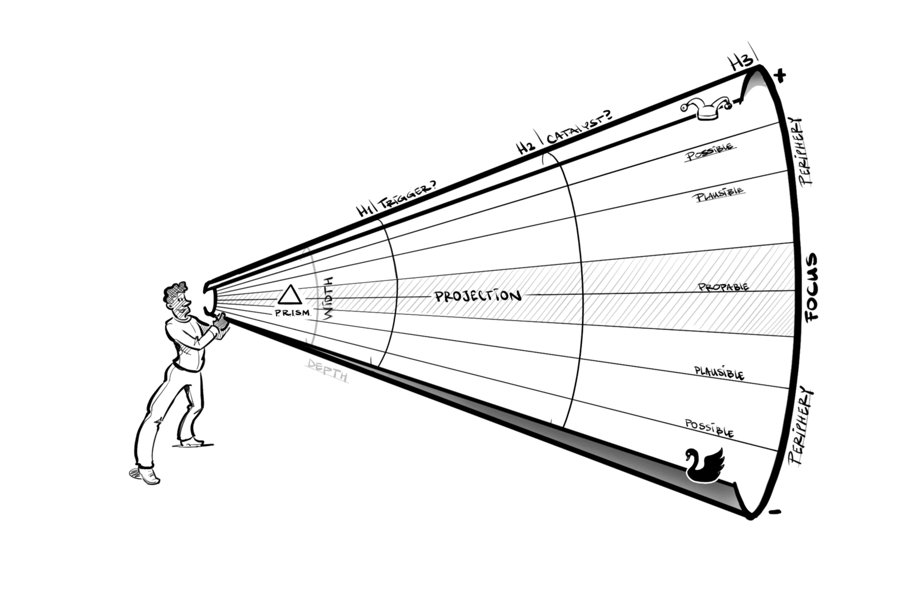
- Stretching the possibility coneYou place future events on the Cone of Possibilities and assess their impact. From probable to plausible to (im)possible moonshots.
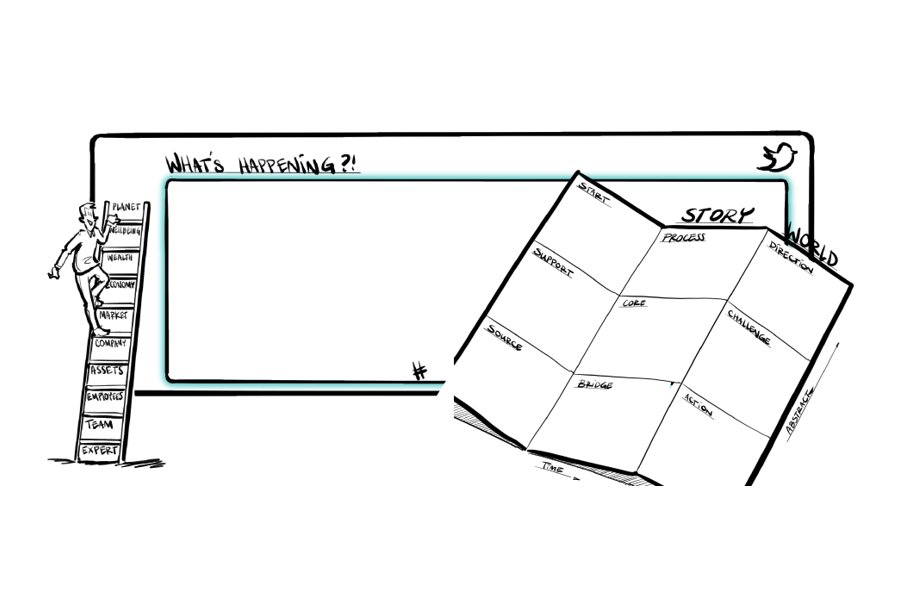
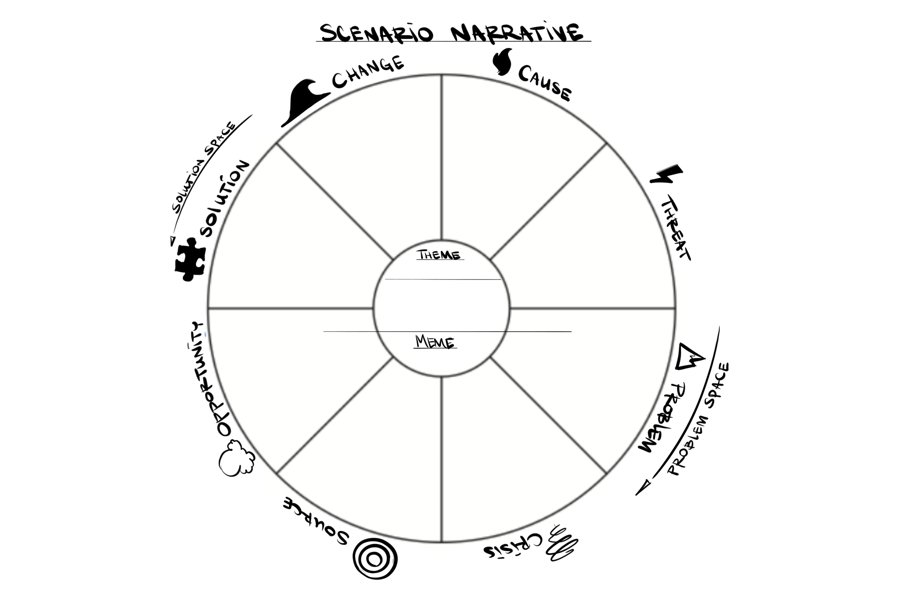
- Making a story of the futureWhat if? If only? You connect the dots into a future scenario and look from multiple perspectives, from threat to solution, based on explicit assumptions.
- Speculative designYou design a speculative experience to take others into your scenario and have the conversation about the meaning and consequences of this direction.
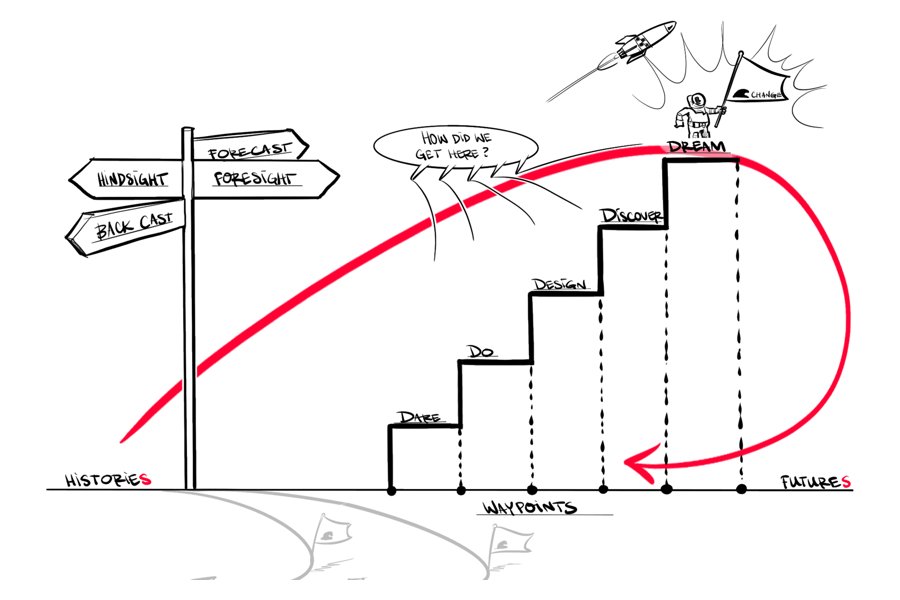
- Challenging limiting beliefsDo not walk into the future looking in the rear view mirror. With backcasting you work back to now and find the triggers, thresholds and dilemmas that need attention today.
- Tips, tricks and toolsAn inspiring set of instruments to guide teams in creating new, challenging future scenarios.
- 61%of directors do not feel prepared for the challenges coming their way.
- 77%higher profitability at organisations that manage to unlock a vision of their future strategy.
- 4/5of employees think leaders should have a clearer picture of the direction of the organisation.
- 5 à 7things our brain can actively remember. So you need to connect and bundle new information smartly.
- 1 dayis the average time a board spends on vision per year.
- Format
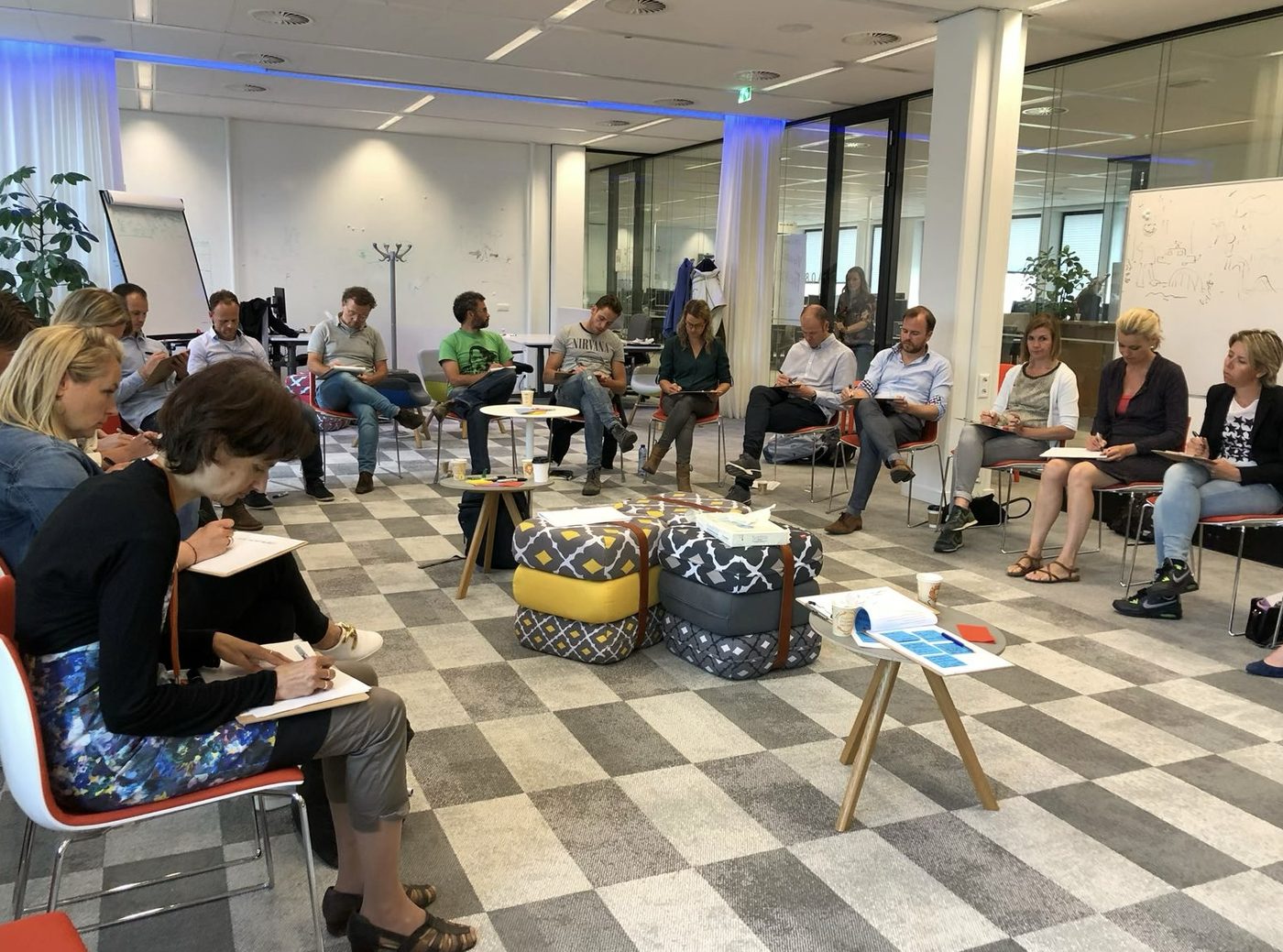
- Workshop
- Participants
- 6 to 20
- Duration
- Half a day, 4 to 6 hours
- Preparation
- Collect 5 to 10 trends, about 1 hour
- Track
- Change mindset
- Online
- Optional
- Certificate
- On request
- PE points
- 5
- Applied
- Not applicable
You can extend this session with the Trends Research module. Your team learns to spot signals, cluster trends into meta trends and builds its own Trend Radar as the basis for the picture of the future.
View the Trends Research module →
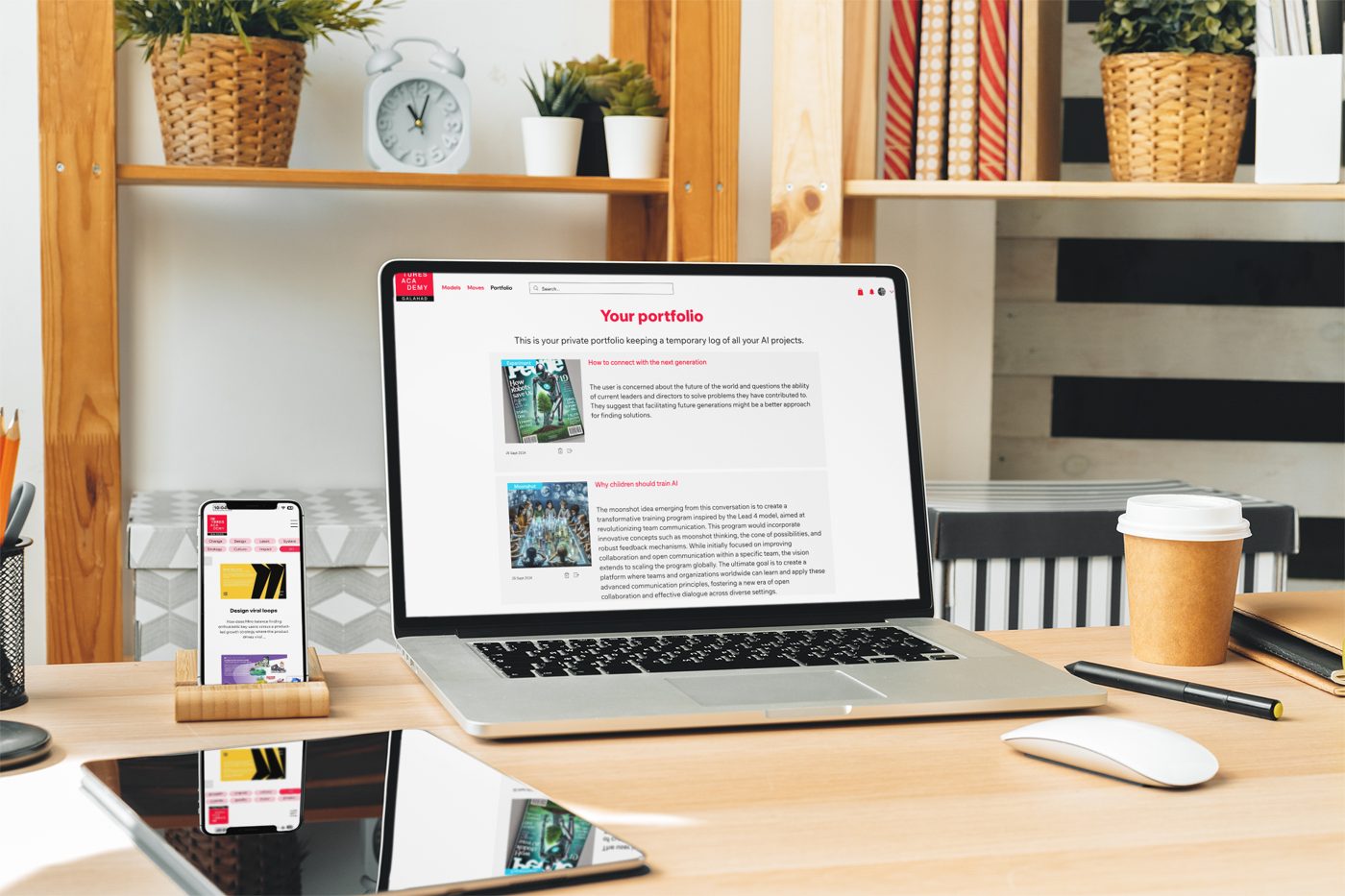 Online platform
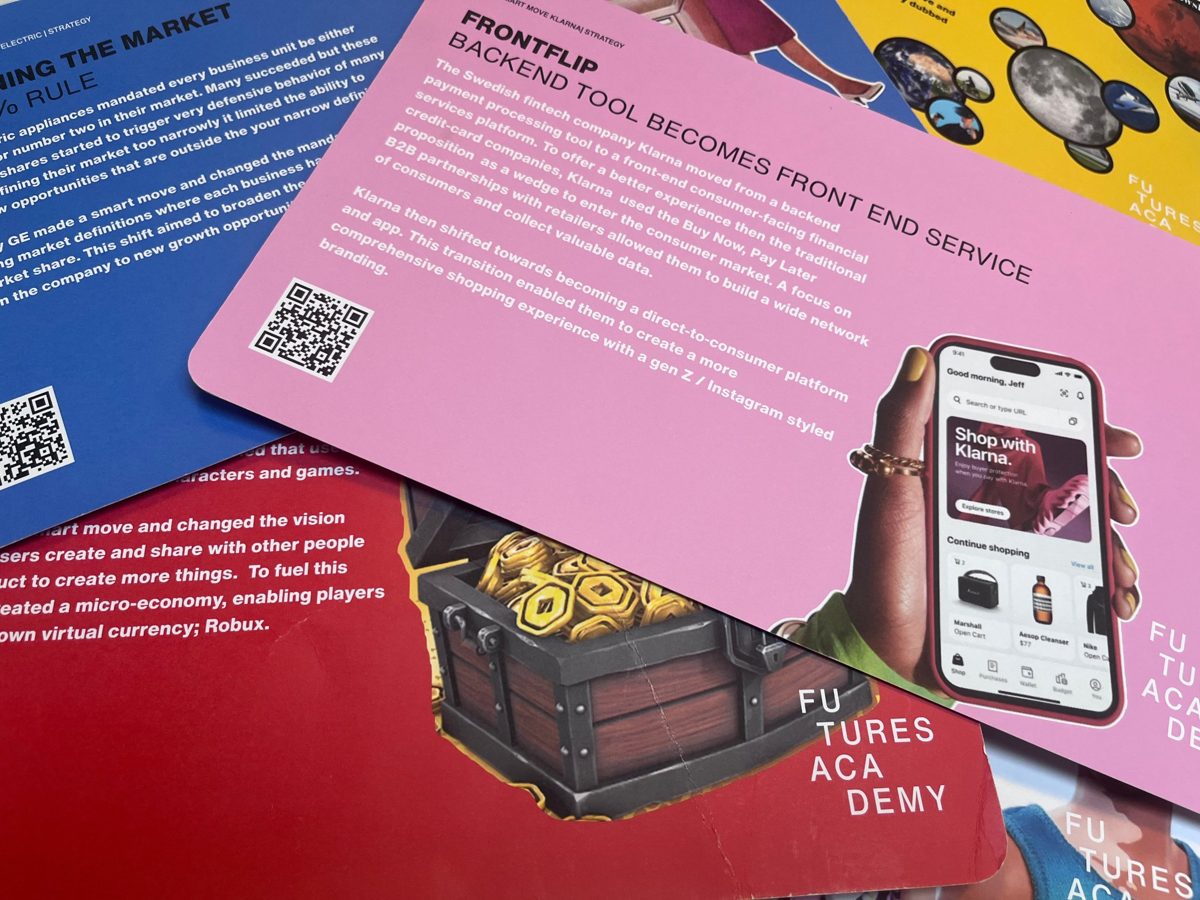 Smart Moves